

Greener Screens: Sustainable & Energy-Efficient DOOH for Petrol Pumps and Mining Sites
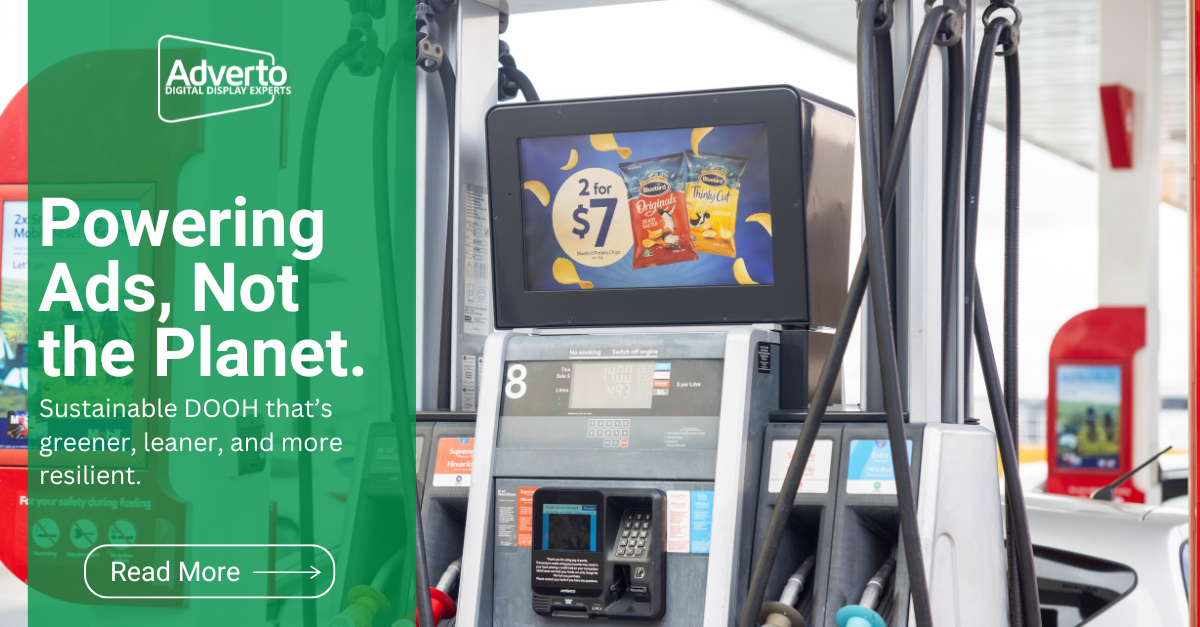
Digital out-of-home (DOOH) has rapidly evolved from static city billboards to dynamic screens that reach audiences anywhere — including petrol pump advertising networks and rugged mining advertising locations. But as the sector expands, so does its environmental footprint. Powering, transporting, and maintaining hardware in remote areas can be resource-intensive.
Forward-thinking operators are re-engineering their systems to make digital advertising greener, more efficient, and more affordable. Sustainability isn’t just good PR; it’s critical for reducing running costs and meeting corporate environmental, social, and governance (ESG) goals.
Why Sustainability Matters in DOOH
Brands increasingly want their campaigns to align with responsible practices. At the same time, operators at fuel stations or mines face rising energy prices and logistical costs. A resilient yet energy-lean network has multiple benefits:
- Lower electricity consumption means smaller utility bills or fewer solar panels.
- Durable, recyclable materials reduce waste and freight.
- Fewer maintenance visits shrink emissions from service vehicles.
- Cleaner power helps companies meet net-zero or carbon-neutral targets.
By integrating sustainability into screen design and operations, DOOH networks can thrive in a carbon-conscious economy.
Designing Hardware for Efficiency and Longevity
The first step is building DOOH screens that last:
- High-efficiency LEDs cut energy use without sacrificing brightness, ideal for bright petrol forecourts or sun-drenched mine camps.
- Automatic dimming adjusts luminance according to ambient light, saving power during cloudy days or at dusk.
- Fan-less cooling and passive ventilation eliminate energy-hungry fans, while sealed housings protect against dust and moisture.
- Modular construction lets operators replace individual components instead of scrapping an entire unit.
Longer lifecycles mean fewer replacements, which in turn reduces electronic waste.
Powering Off-Grid DOOH
Energy sourcing is often the biggest hurdle at remote locations. Creative solutions include:
- Solar panels with battery storage: Perfect for roadside pumps or exploration bases, where grid access is unreliable. A small photovoltaic array paired with lithium batteries can keep screens running day and night.
- Hybrid power systems: Combine solar with a backup generator or mains to handle spikes in demand.
- Low-draw electronics: Modern media players and screens consume far less power than older equivalents, allowing smaller renewable systems.
For mining advertising, energy-efficient displays can even integrate with on-site renewable initiatives such as wind or micro-hydro.
Sustainable Connectivity and Content Delivery
Running efficient DOOH isn’t only about electricity; data transmission matters too:
- Edge caching stores video locally, avoiding repeated large downloads over satellite or cellular links.
- Adaptive content compression reduces file size while maintaining quality.
- Scheduled updates during off-peak hours prevent congestion and spread energy demand.
These techniques keep screens fresh without excessive bandwidth or power drain.
Reducing Operational Footprint
Every truck roll to service a faulty screen emits carbon and costs money. Operators can minimise travel with:
- Remote diagnostics: Cloud dashboards reveal health metrics like temperature, playback, or voltage.
- Predictive maintenance: Algorithms flag components approaching end-of-life so parts can be swapped during planned site visits.
- Training local staff: Empowering petrol attendants or mine supervisors to perform basic checks reduces specialist trips.
A small investment in monitoring saves large sums over the network’s lifespan.
Sustainable Content and Messaging
What appears on screen can reinforce the sustainability story. Petrol stations can display eco-driving tips, carpool promotions, or information about biofuels. Mining camps might share water-saving reminders or recycling campaigns. Aligning messages with operational practices shows authenticity and helps audiences adopt greener behaviours.
Case Study: Solar-Powered Pump Screens
A regional fuel chain in Western Australia wanted petrol pump advertising without raising power costs. They installed sunlight-readable displays powered by roof-mounted solar panels feeding a battery bank. Smart dimming and ultra-low-draw media players kept energy needs modest. The result: 100% off-grid screens, consistent ad delivery, and a marketing message centred on sustainability. Advertisers embraced the eco-friendly angle, paying a premium for placement.
Business Benefits Beyond the Environment
Energy-efficient DOOH isn’t just about saving the planet — it makes financial sense:
- Lower OPEX: Renewable energy and efficient hardware slash monthly costs.
- Brand equity: Retailers and resource companies can showcase commitment to sustainable operations.
- Resilience: Off-grid solutions continue to work during power outages, keeping messages live when competitors go dark.
- Investor appeal: ESG metrics increasingly influence funding decisions and partnerships.
When sustainability aligns with profitability, adoption accelerates.
Looking Ahead: Innovation in Green DOOH
Technology is moving fast:
- Transparent solar films may soon turn screen faces into mini power stations.
- AI brightness control predicts viewing conditions to optimise consumption.
- Recycled alloys and plastics will lower embodied emissions of housings.
- Lifecycle tracking using QR-linked product passports will make recycling or refurbishing easier.
As governments tighten efficiency standards and businesses set ambitious climate targets, sustainable digital advertising will become the default rather than the exception.
Conclusion
From solar-powered petrol pumps to energy-smart mine displays, sustainability is reshaping the future of DOOH. Operators that invest in efficient hardware, renewable energy, and low-impact logistics don’t just help the planet — they gain operational savings and stronger market positioning.
Whether you’re running a network of petrol pump advertising screens or pioneering mining advertising channels in remote outposts, adopting eco-friendly technology ensures your messages shine bright while treading lightly.